

- video by Shawn O Smith
Contradictions in the Clouds: The Human Cost of High-Carbon Work
Contradictions in the Clouds is an interview-based project about people who care about the environment but earn their living in carbon-intensive industries.
It asks what it feels like to carry that conflict every day—between providing for your family and protecting the future.
Instead of focusing only on emissions and machinery, it centers the human cost: the emotional labor of living inside the contradiction.
Welcome. This project, Contradictions in the Clouds, is an exploration of the complex, often silent, conflict faced by people who are environmentally conscious but economically tied to carbon-intensive industries.
It's easy to look at a plane, a power plant, or a cruise ship and see only emissions. We look beyond the machinery to the people who operate it. What is the emotional labor involved when your job provides for your family but conflicts with your values? How do you reconcile a necessary paycheck with the future of the planet?
The Method
Audio Storytelling (The Podcast):
What: Interview podcast episodes (one person per episode).
Why: Longform audio preserves nuance and emotional context.
Visitor gets: A listen + transcript that humanizes the climate contradiction.
Visual Documentation (Photography)
What: An original photo series documenting each subject in real-world environments—work sites, everyday spaces, and personal settings.
Why: Seeing people in context grounds the story in lived reality and makes the abstract climate contradiction feel tangible and specific, not theoretical.
Visitor gets: A curated set of images (with captions) that reinforces the interview themes, builds empathy, and helps the viewer “locate” the conflict in place, routine, and identity.
Who This Is For?
Curious newcomers — If climate change feels overwhelming or abstract, this gives you a human entry point through real voices and lived experience.
Climate-engaged viewers — If you already follow climate issues, this adds nuance by focusing on the emotional and economic contradictions people carry at work.
Design / media audiences — If you care about storytelling, ethics, and longform format, this shows how interview + photography can shape a reflective experience.

Gary in interview - image by Shawn O Smith

Studio & preperation - image by Shawn O Smith
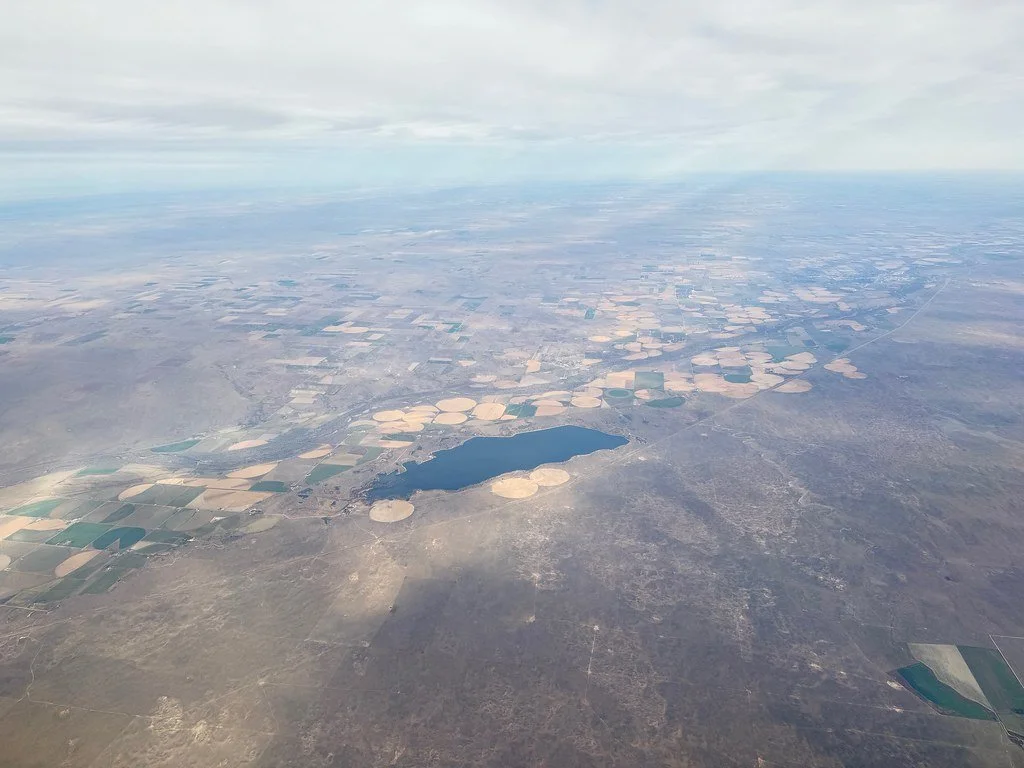
Crop circles, earth from above - image by Shawn O Smith
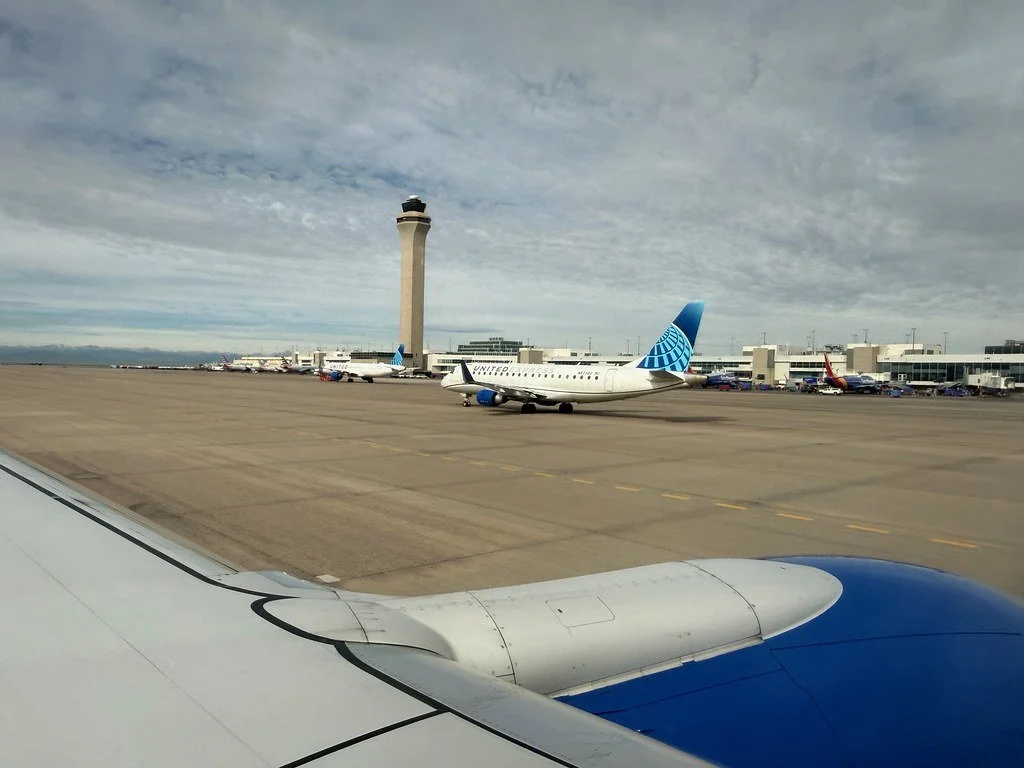
Aircraft taxi around the airport - image by Shawn O Smith
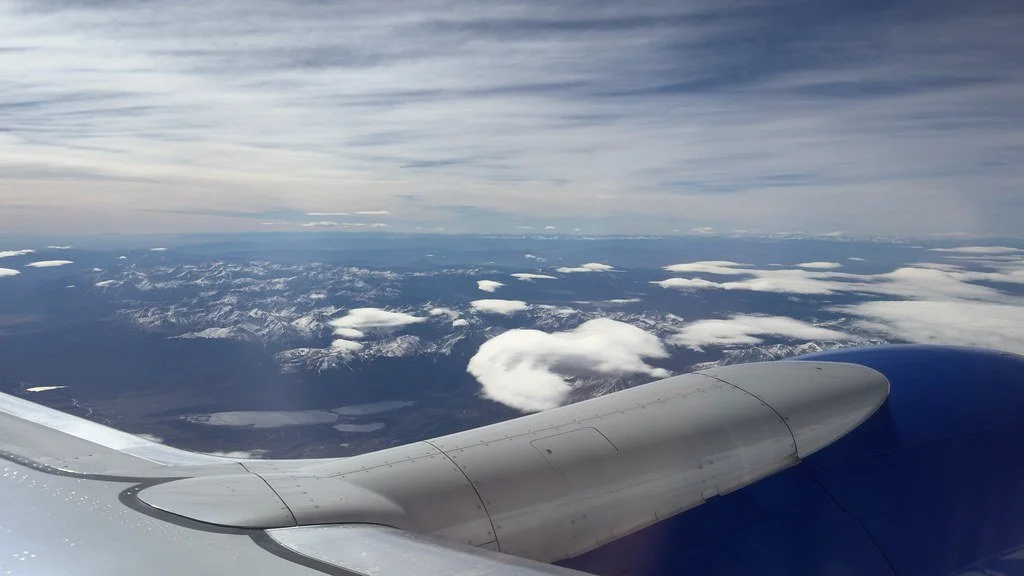
Clouds & Engine - image by Shawn O Smith
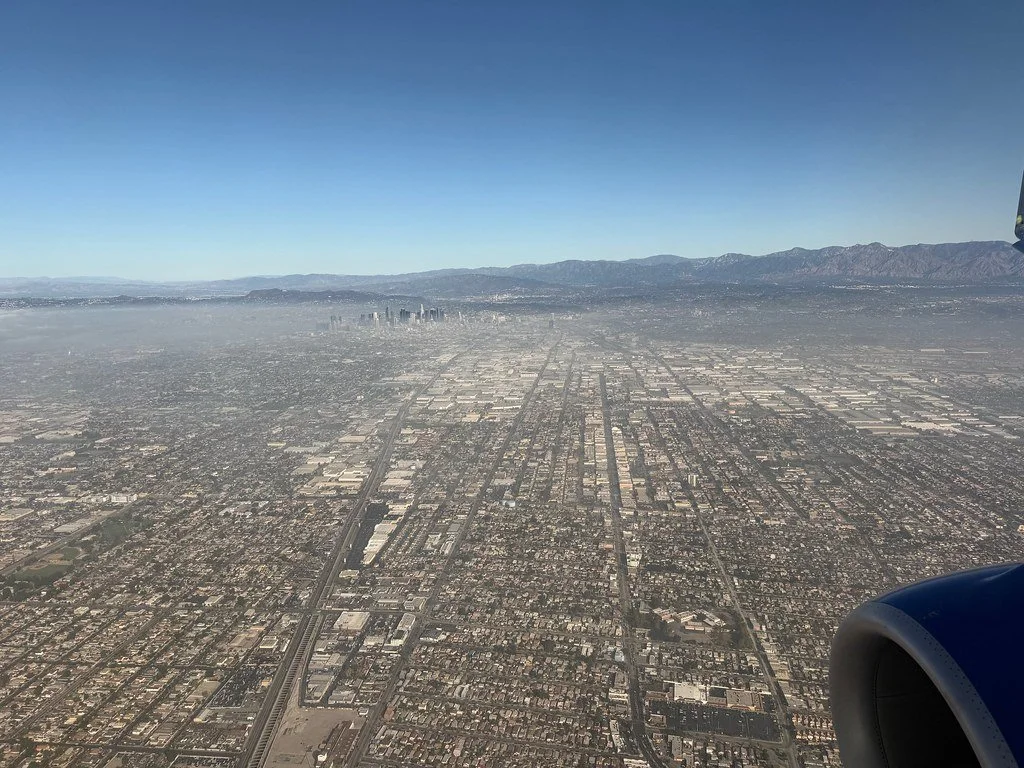
Los Angeles from above its smog - image by Shawn O Smith

Flight deck - image by Shawn O Smith
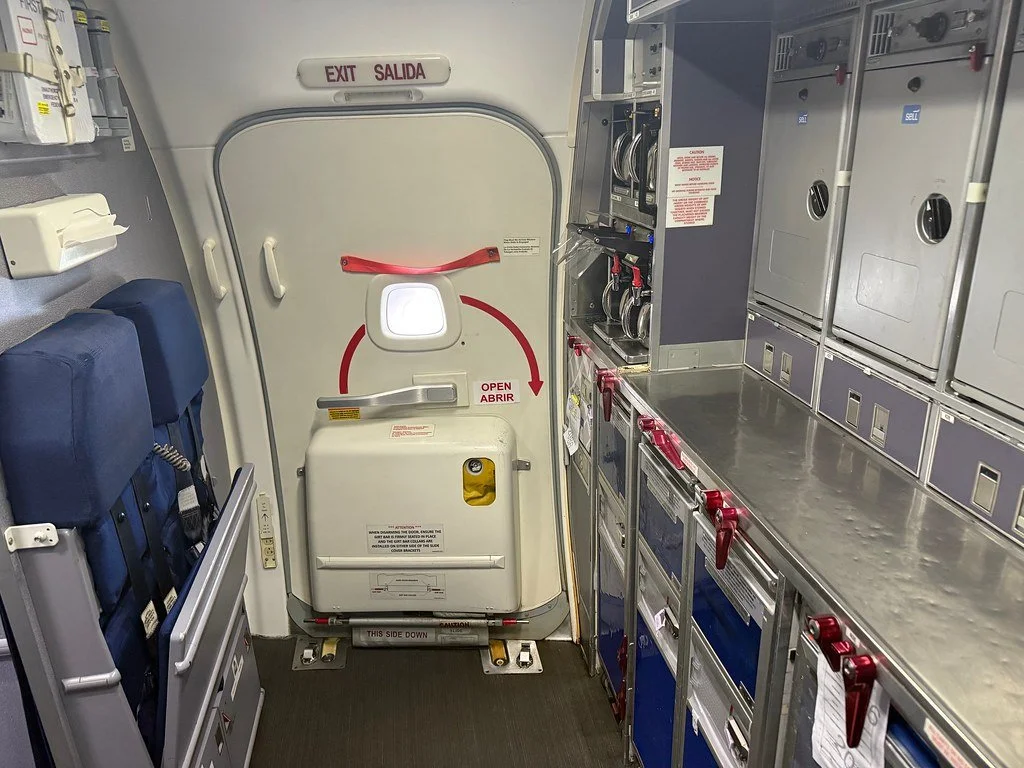
Galley & aircraft door - image by Shawn O Smith
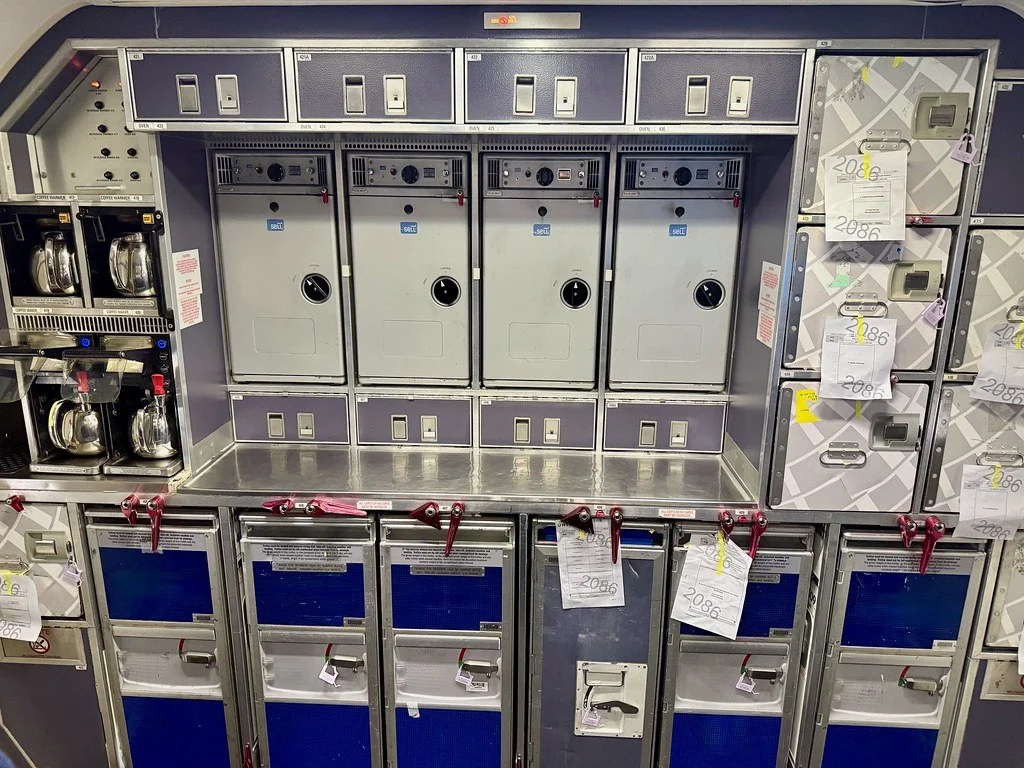
Galley, carts and Storage containers - image by Shawn O Smith
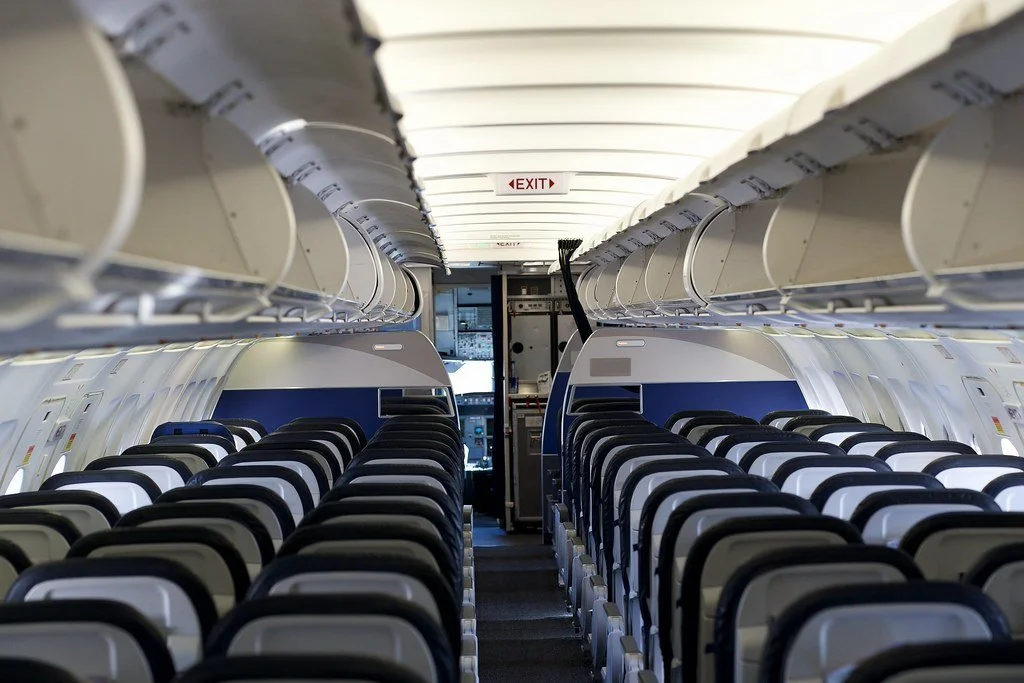
Cabin view - image by Shawn O Smith
Uncovering the Truth, what the science is saying…
-
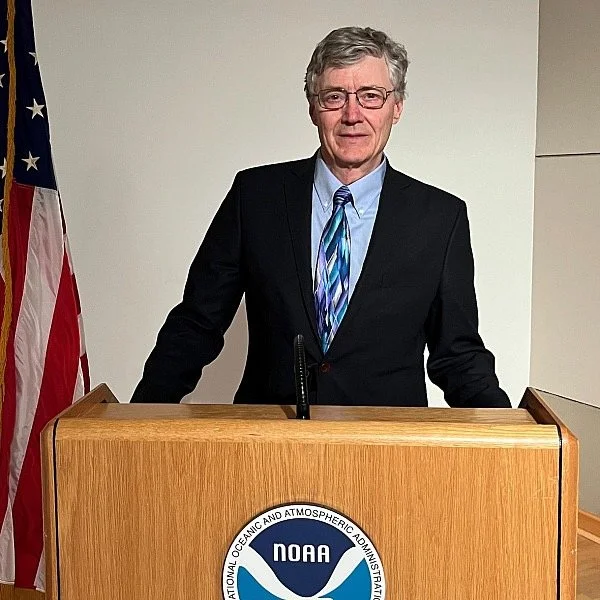
"Global air travel and transport is responsible for 3.5% of all drivers of climate change from human activities... Our assessment will aid decision makers and the industry in pursuing any future mitigation actions..."
-

"The full impact of aviation may be around 3.5% of all anthropogenic climate impact... The red bars... highlight that contrail cirrus and CO₂ are the two principal warming impacts of aircraft emissions..."
-
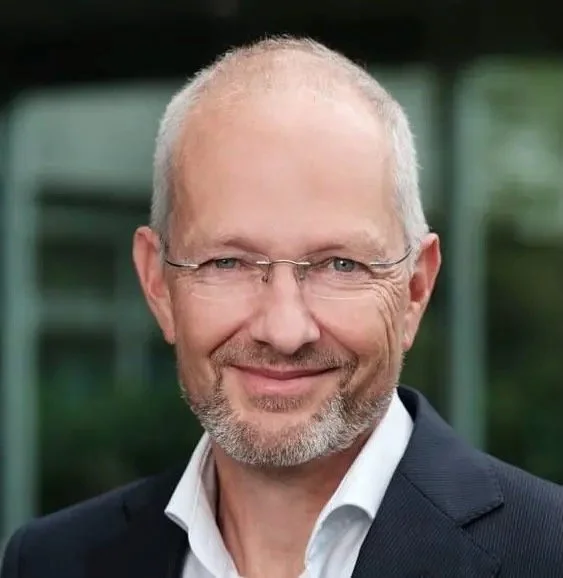
“If we do not act, by 2050 aviation emissions will be about a quarter of all human-caused emissions – that will be really a very shameful position."
FAQs
-
A (The Nuance): It's higher than the commonly cited CO₂ number alone. Aviation accounts for approximately 2.5% of annual global CO₂ emissions. However, when scientists factor in the complex, high-altitude effects (like contrails and nitrogen oxides), the industry’s total contribution to global warming to date is estimated to be around 3.5% to 4% of all human-caused climate impact. Read more
-
A (The Science): The difference is due to Non-CO₂ effects. Exhaust gases like water vapor and soot released at cruising altitude often create persistent contrails (condensation trails). These artificial clouds act like a blanket, trapping heat and magnifying the warming effect. Two-thirds (66%) of aviation's total warming is attributed to these non-CO₂ factors. Read more
-
A (The Social Conflict): Flying is primarily an elite activity globally. Studies show that 1% of the world’s population is responsible for more than 50% of the CO₂ emissions from passenger air travel. Furthermore, often 80% or more of the global population does not fly in any given year. This highlights the inequality inherent in the industry's climate footprint. Read more
-
A (The Economic Reality): SAF is currently the most viable short-to-medium-term solution, as it can reduce lifecycle CO₂ emissions by up to 80% and can be "dropped in" to existing engines. However, the International Air Transport Association (IATA) predicts SAF will need to provide 65% of the total emissions reduction by 2050, requiring a massive and currently unachieved scale-up in production and significant government policy support to make it competitive with traditional jet fuel. Read more
-
A (The Operational Dilemma): Flying at lower altitudes to avoid contrail-forming conditions is technically possible but presents a trade-off. Aircraft burn significantly more fuel at lower altitudes due to higher air density and drag. For a flight to avoid contrails, it must be calculated that the environmental benefit of contrail avoidance is greater than the climate cost of burning the extra CO₂. This requires more research and real-time atmospheric data. Read more
-
A (The Time Horizon): It depends on the timeframe you measure. Contrails have a huge short-term warming impact—for a single flight, the contrail effect can be 1.2 to 2.3 times larger than the CO₂ released over a 20-year period. However, since CO₂ stays in the atmosphere for centuries, its long-term accumulated impact over a 100-year period is greater. Both effects must be addressed. Read more
-
A (The Challenge of Scale): Global air traffic is expected to continue growing significantly, with some forecasts projecting a doubling or tripling of emissions by 2050 if no significant changes are made. This overwhelming growth means that current technological and efficiency improvements are constantly being outpaced, making massive, rapid deployment of solutions like Sustainable Aviation Fuel (SAF) and radical innovation essential to hit net-zero targets. Read more
-
A (The Policy Debate): CORSIA (Carbon Offsetting and Reduction Scheme for International Aviation) is a global measure by the UN's ICAO designed to stabilize international aviation's net CO₂ emissions above 85% of 2019 levels through the use of carbon offsets (carbon credits). Critics argue it is ineffective because it: a) only addresses CO₂ and ignores the powerful non-CO₂ effects, and b) relies on offsetting, which can have questionable quality and does not force direct reductions. Read more
-
A (The Environmental Comparison): Per passenger-kilometer, rail travel is significantly the least carbon-intensive motorized option, with international rail (like the Eurostar) emitting as low as 6g CO₂ equivalent. In contrast, a short domestic flight is often the most carbon-intensive, around 255g CO₂ equivalent per passenger-km, while a long-haul flight is more efficient (around 150g CO₂e/km) because the high energy burn of take-off is spread over a longer distance. Read more
-
A (The Technology Horizon): While exciting, hydrogen and electric power are mostly seen as long-term solutions for the vast majority of air travel. They are currently best suited for smaller aircraft on short-haul routes due to the technical limitations of storing large volumes of hydrogen or heavy batteries, which significantly reduces the range and payload capacity needed for long-haul international flights. For now, Sustainable Aviation Fuel (SAF) remains the primary decarbonization lever for large aircraft. Read more
-
-